Ledger Live Nano X Secure Crypto Wallet Management Guide
Connecting your hardware wallet to desktop or mobile requires the official companion software with firmware version 2.0 or newer. Verify device authenticity before USB pairing.
The secure element chip in this model supports over 5,500 digital assets natively, including Bitcoin, Ethereum, and ERC-20 tokens. Third-party integrations expand compatibility further through WalletConnect.
Bluetooth functionality enables wireless transactions with verified mobile apps, though USB remains the most secure connection method. Always enable transaction blind signing when using connected devices to prevent interception attacks.
How does the companion application validate transactions?
The software generates a unique QR code for each outgoing transfer. Cross-check the address and amount on your hardware display before approving - mismatches indicate potential malware interference.
Firmware updates require manual approval through the physical buttons, preventing remote tampering. Average update time takes 8 minutes with stable internet.
What security protocols protect stored assets?
Private keys never leave the hardware, while a 4-8 digit PIN and 24-word recovery phrase provide dual-layer access control. After 3 incorrect PIN attempts, the device wipes automatically.
Transaction data undergoes cryptographic verification through the secure element before signing. This prevents unauthorized changes to destination addresses or amounts mid-process.
Can multiple accounts operate simultaneously?
Yes - the interface supports up to 100 separate wallet instances with individual labeling. Each maintains independent transaction histories and custom fee settings.
Switching between accounts takes approximately 3 seconds, with balance refreshes occurring automatically every 30 minutes when online.
What backup procedures prevent permanent loss?
Write your recovery phrase on the provided steel card in exact order. Store it separately from the device - this is the only way to restore funds if hardware fails.
Never digitize the phrase or take photos. Test your backup by performing a restore on a secondary device before depositing significant amounts.
Ledger Live Nano X: Practical Guide
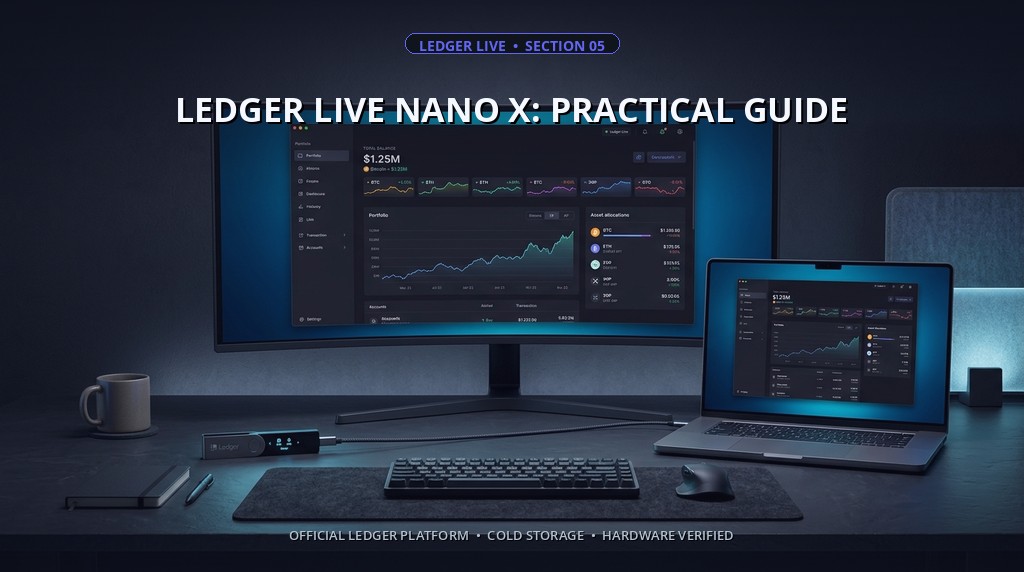
To set up your hardware wallet, connect it via Bluetooth or USB and download the companion app from the official website. Ensure your firmware is updated to the latest version–this minimizes vulnerabilities and enhances functionality. Pairing the device requires confirming a six-digit code on both the app and the screen of the wallet.
For secure asset management, enable the passphrase feature for additional encryption. This allows you to create hidden wallets, adding an extra layer of protection. Keep your recovery phrase offline and never share it digitally. Store it in a fireproof and waterproof location to prevent accidental loss or damage.
Regularly verify your transaction details on the wallet’s display before approving. This step ensures no tampering occurs during the signing process. If accessing multiple cryptocurrencies, organize your accounts within the app for easier tracking. Backup your settings periodically to avoid data loss during app updates or device resets.
How to set up Ledger Live with your Nano X
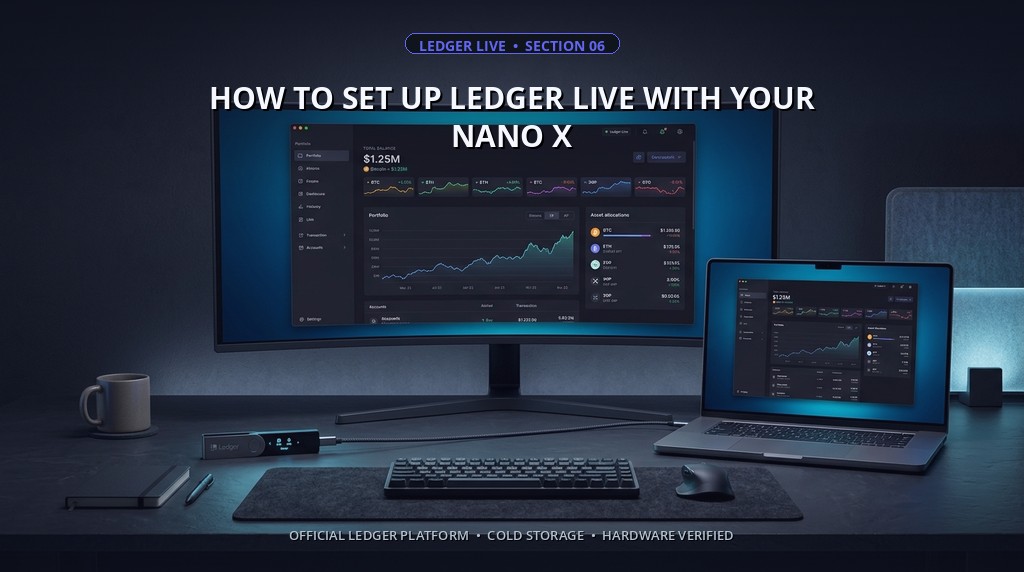
Download the latest version of the desktop application from the official manufacturer's website before connecting your device.
Factory reset your hardware wallet through Settings > Security > Reset Device if it's been used previously. This ensures no prior configurations interfere.
Launch the downloaded app and select "Set up as new device" when prompted. The interface will guide you through generating a 24-word recovery phrase - write it on the provided steel card, never digitally.
Enable Bluetooth pairing by holding both buttons for 3 seconds after powering on the wallet. The app detects nearby devices - authenticate the connection request on your hardware's screen.
Add cryptocurrency accounts individually within the Portfolio tab. Each addition requires manual approval on the wallet itself for security verification.
Configure transaction preferences under Settings > Accounts > Advanced. Adjust blockchain explorers and enable/disable automatic sync based on your privacy needs.
Adding and managing crypto accounts in Ledger Live
To add a new cryptocurrency account, open the app and select the "Add Account" option. Choose the desired crypto asset from the list, confirm the action on your hardware wallet, and the account will be instantly synchronized with your portfolio.
Each account is assigned a unique address, which can be accessed directly from the dashboard. Double-check the address before initiating transactions to ensure accuracy and avoid potential errors.
For better organization, rename accounts by clicking on the three-dot menu next to the account name. Use clear labels like "BTC Savings" or "ETH Trading" to distinguish between different use cases swiftly.
To manage multiple accounts efficiently, enable the balance visibility toggle. This feature allows you to hide specific account balances while keeping them active for transactions, ideal for maintaining focus or privacy.
Sending and receiving assets via Ledger Live Nano X
Always verify the recipient address twice before confirming transactions–this hardware wallet displays full addresses on its screen for visual cross-checking.
The device requires manual approval for any outgoing transfer by physically pressing both buttons simultaneously. This prevents unauthorized operations even if your computer is compromised.
For ERC-20 tokens, ensure you've enabled the corresponding Ethereum account first. The interface won't display token-specific receiving options until the parent chain account is active.
Incoming transactions automatically populate in your portfolio view after three network confirmations. Large transfers may require additional confirmations depending on blockchain congestion levels.
QR code scanning works for receiving but not sending–you'll manually verify hexadecimal addresses during withdrawal procedures using the physical device display.
Transaction fees adjust dynamically based on current network conditions. Custom fee settings allow prioritization between speed and cost during high-traffic periods.
Cross-chain swaps require connecting through partner services–the interface provides real-time exchange rate comparisons before executing atomic transactions.
Every approved operation generates a verifiable cryptographic signature stored directly on the secure element chip, independent of any third-party servers.
Using Ledger Live's staking features with Nano X
Connect your hardware wallet directly within the app interface to delegate assets without transferring custody. Supported coins like Ethereum (ETH) and Tezos (XTZ) show real-time rewards under the "Earn" tab, with payouts typically compounding every 72 hours–verify each protocol's lock-up periods before committing funds.
For Polkadot (DOT) or Cosmos (ATOM), enable developer mode in settings to access advanced nominator tools. Staking via this method reduces network fees by 20-40% compared to exchange-based alternatives, though unbonding delays span 14-28 days. Always confirm transaction details on your device's screen before approval to prevent erroneous delegations.
Updating firmware on Ledger Nano X via Ledger Live
Ensure your device is charged to at least 20% before starting the update process. This prevents interruptions that could corrupt the firmware during installation.
Open the application on your computer or mobile device. Navigate to the Manager section, where you’ll find the Firmware Update option if an update is available. Avoid skipping this step, as outdated software can expose your device to security vulnerabilities.
Connect your hardware wallet using the original USB cable. If using a mobile device, enable Bluetooth and pair the device securely. Follow the on-screen prompts to proceed with the update.
During the update, do not disconnect the hardware wallet or close the application. The process typically takes 5-10 minutes, depending on your internet connection. Interruptions risk rendering the device unusable.
After installation, verify the update by checking the firmware version in the settings menu. This confirms the installation was successful and ensures compatibility with the latest apps and features.
If the update fails, restart the device and try again. Persistent issues may require contacting customer support or resetting the wallet using the recovery phrase as a last resort.
Regularly check for updates to maintain optimal performance and security. New firmware versions are released periodically to address bugs, enhance features, and protect against emerging threats.
Troubleshooting Bluetooth connection issues in Ledger Live
Ensure your device is fully charged, as low battery levels can disrupt Bluetooth connectivity. Charge it for at least an hour before attempting to reconnect. Check the official support page for detailed battery guidelines.
Verify that Bluetooth is enabled on both your hardware wallet and the paired smartphone or computer. Disable and re-enable Bluetooth on both devices to refresh the connection. This often resolves intermittent pairing problems.
Update the firmware of your hardware wallet to the latest version. Outdated firmware can cause compatibility issues with newer devices. Visit the official website for step-by-step instructions on performing an update.
Remove the device from your Bluetooth settings and pair it again from scratch. This clears any corrupted pairing data that might be causing the issue. Follow the manufacturer’s pairing instructions carefully.
If the problem persists, reset the hardware wallet’s Bluetooth settings. This option is usually found in the device’s settings menu and restores Bluetooth functionality to factory defaults. Refer to the user manual for specific steps.